Japan’s Techno Farm Keihanna Sets New Standard for Automated Vegetable Production
- Business & Industry, Technology & Innovation

By
Updated December 11, 2025
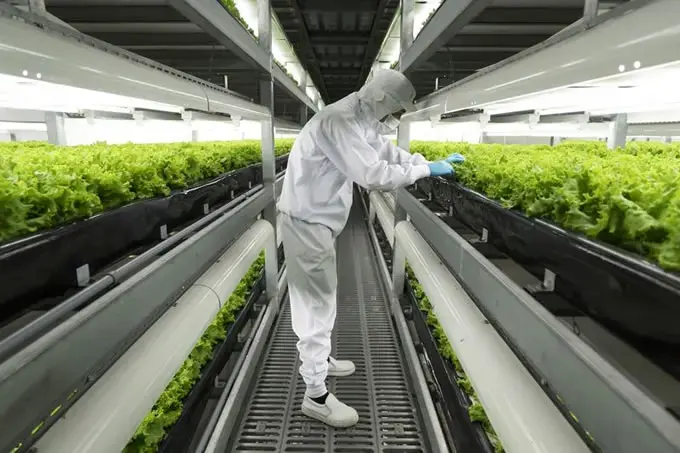
Kyoto Prefecture, Japan — Techno Farm Keihanna, one of the world’s most advanced automated vertical farms, is emerging as a model for how technology can help address food security and labor shortages in agriculture. Operated by Tokyu Land Corporation’s food-tech division and originally developed through SPREAD Co., Ltd., the facility now produces 30,000 heads of lettuce every day with remarkably low labor requirements.
A Factory-Style Farm Built on Years of Experimentation
The Keihanna plant has been operating since 2018, undergoing constant refinement of its environmental controls, LED-light cultivation systems, and automation lines. According to factory manager Matsumura Tatsuya, the farm’s stability today is the result of years of trial and improvement.
“The trial-and-error process we’ve accumulated since 2018 has led to stable production now, which is a significant strength,” Matsumura said.
The farm’s highly controlled indoor environment minimizes the impact of weather, pests, and seasonal variation, enabling consistent yields and lowering resource use. Automated systems manage planting, watering, climate, and harvesting, reducing the labor force traditionally required for large-scale vegetable production.
Technology Designed for Global Food Challenges
Tokyu Land Corporation views Techno Farm Keihanna not only as a commercial operation but as a prototype for scalable food technology. Speaking on the future of vertical farming, Terao Tasuku from the company emphasized that automation costs are steadily decreasing.
Automation “could soon reach developing countries as costs drop,” Terao noted, pointing to the long-term goal of making stable, clean, and efficient food production accessible worldwide.
This vision aligns with concerns that climate instability and declining agricultural workforces will strain global food systems. Highly automated farms like Keihanna offer an alternative by producing large volumes of safe, pesticide-free vegetables near consumer markets.
Inside the “Techno Farm” System
Techno Farm Keihanna uses a fully integrated process that includes:
- Automated seeding, cultivation, and harvesting lines
- Precision LED lighting tailored to plant growth phases
- Optimized temperature and humidity control
- Reduced water use through recycling and closed-loop systems
- Clean-room-level hygiene, minimizing contamination risk
The result is lettuce with uniform size and quality grown in a stable, resource-efficient cycle.
A Model for the Future of Agriculture
With its combination of scale—30,000 heads per day—consistency, and minimal labor dependence, Techno Farm Keihanna represents a leading example of what next-generation agriculture may look like. As the industry seeks to solve challenges ranging from labor shortages to climate volatility, Japan’s automated farms are increasingly capturing international attention.
Tokyu Land Corporation and SPREAD both plan to expand the Techno Farm model domestically and abroad. As costs decline and the technology matures, the Keihanna facility may become a blueprint for sustainable food production in regions facing environmental or economic constraints.
Company Background:
Tokyu Land Corporation & SPREAD Co., Ltd.
Techno Farm Keihanna represents a collaboration between major developer Tokyu Land Corporation and agricultural-technology pioneer SPREAD Co., Ltd.
Tokyu Land Corporation
Tokyu Land is a large Japanese real-estate and infrastructure company with expanding interests in sustainability-driven industries. Its Food Business division focuses on creating stable, efficient, and environmentally friendly food-production systems. By investing in automated plant factories, the company aims to address global labor shortages, supply-chain instability, and rising food demand.
SPREAD Co., Ltd.
Founded in Kyoto, SPREAD is one of Japan’s earliest and most influential vertical-farm developers. It introduced the “Techno Farm” concept, integrating robotics, LED-based cultivation, and closed-loop resource management. SPREAD’s early work on automation and environmental control laid the foundation for Keihanna’s current large-scale, stable production.
Together, the companies are working to expand vertical-farming technology both domestically and internationally.
Sources: tokyu-land, euronews, maghrebi
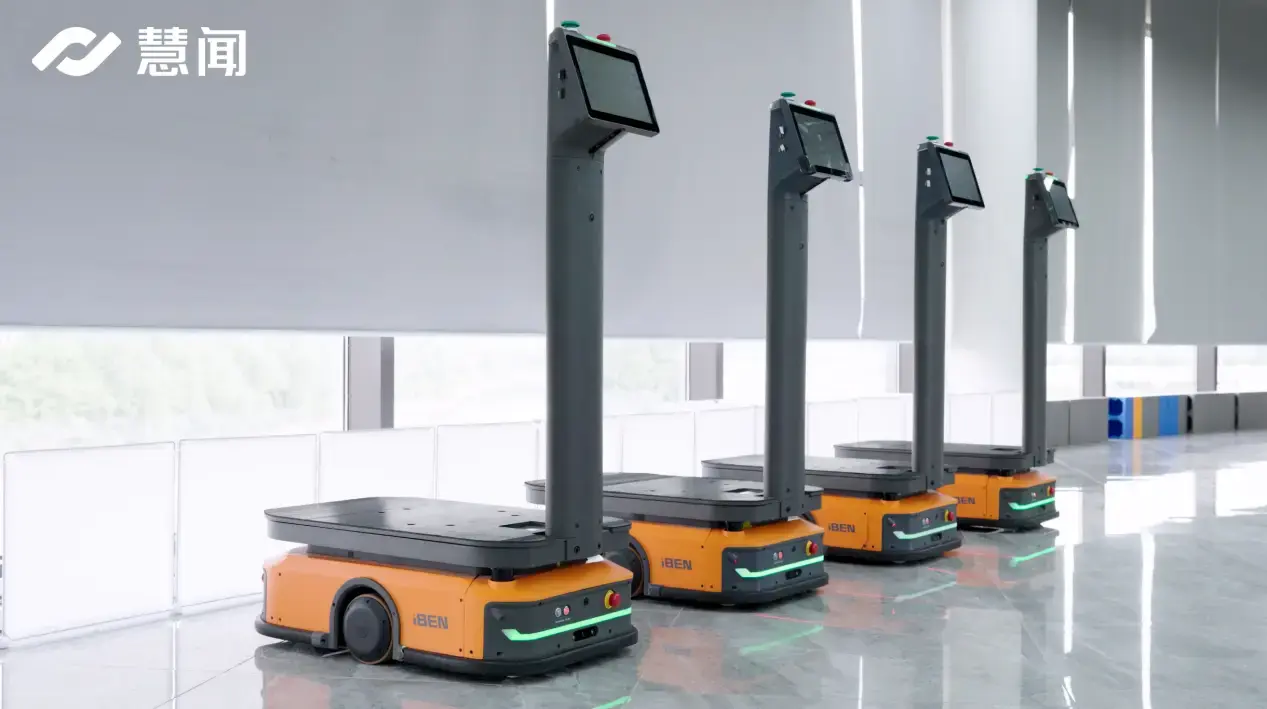
In response to increasingly dynamic manufacturing environments, Chinese intelligent robotics company Huiwen has launched the iBenX series of autonomous mobile robots (AMRs) to provide flexible, lightweight, and adaptable...
- 12/12/2025 in Business & Industry
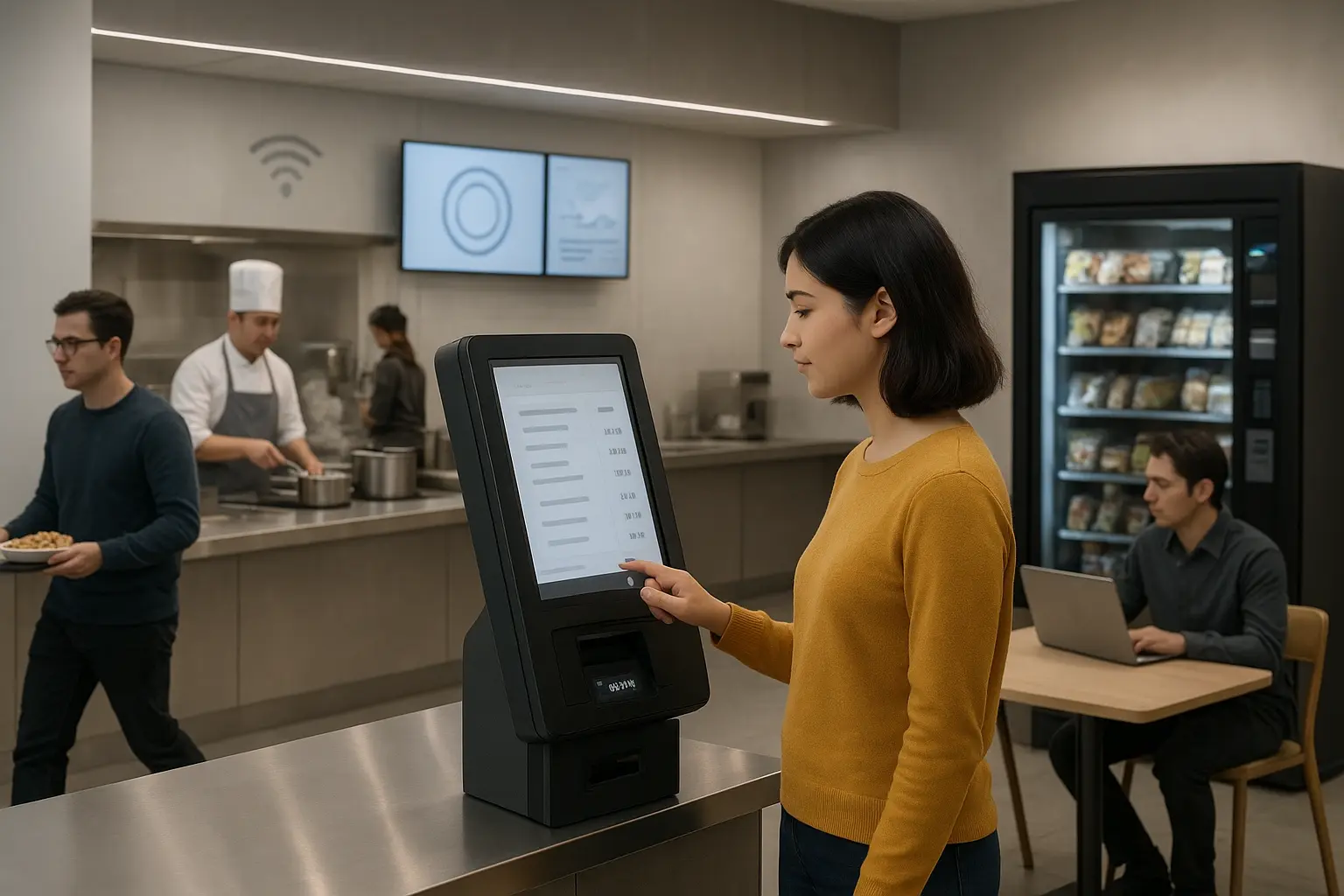
China’s smart canteen sector is rapidly expanding as organizations adopt digital systems to improve efficiency, food safety and dining experiences. Based on 2025 industry data, several leading brands have emerged across...
- 12/12/2025 in Business & Industry
Open for just two months, X11 Shanghai Flagship Store has already attracted a large crowd of collectible toy enthusiasts. With a super large space of 2,000㎡, the store brings together popular IPs from around the world an...
- 02/10/2025 in Business & Industry

Elon Musk has a bone to pick with America’s trains. Speaking at a tech conference hosted by JPMorgan Chase on Wednesday, the billionaire called out Amtrak, the U.S.’s federally owned passenger rail service, as an “embarr...
- 09/03/2025 in Business & Industry

A recent report on February 10, 2025 sparked debate about global R&D cuts, prompting scrutiny of China’s $3.6 trillion yuan ($500 billion USD) R&D budget in 2024. The China R&D Funding Report 2024 by Dalian U...
- 09/03/2025 in Business & Industry

On February 27, 2025, Cainiao, the logistics arm of Alibaba Group, announced in an internal email that Alibaba had acquired all remaining shares from Cainiao’s minority shareholders at a price of $0.62 per share, w...
- 04/03/2025 in Business & Industry
