Unitree Robotics Aims to Make Humanoid Robots Affordable for Everyone
- Technology & Innovation


By
Updated December 6, 2025
Shanghai, China—The dawn of humanoid robotics is officially here, as 2024 is hailed by industry insiders as the “Year of the Humanoid Robot.” Among the bustling companies advancing this frontier, Unitree Robotics, a Hangzhou-based innovator, has become a shining beacon of progress in China’s Yangtze River Delta, a hub for cutting-edge AI and robotics development.
Unitree’s recent unveiling of its second-generation humanoid robot, G1, grabbed headlines in May, not just for its technological marvels but for its eye-catching price tag: ¥99,000 (approximately $13,600). At a fraction of the cost of its predecessor, the H1—priced in the hundreds of thousands—the G1 represents a significant leap forward in affordability and performance.
“We’ve effectively slashed the price barrier without compromising capability,” said Chen Jiaxin, Marketing Manager at Unitree Robotics, during an exclusive interview. The G1 boasts advanced features, including 23 to 43 joint motors, a peak torque of 120Nm, and the ability to perform dynamic movements such as folding, squatting, and even wielding a stick. Optional components, like dexterous robotic hands, further enhance its functionality for precise tasks.
Cost Control Through In-House Innovation
At the heart of Unitree’s breakthrough lies a focus on cost efficiency through vertical integration. Key components, including motors, reducers, encoders, and even parts of the laser radar systems, are self-developed and manufactured in-house. “This gives us a distinct advantage in cost control and scalability,” said Chen.
As the technology continues to improve, humanoid robots are expected to follow the path of the company’s popular quadruped robots, moving closer to mass-market consumer pricing.
Industrial Applications on the Rise
The commercial potential for humanoid robots is immense, as industries such as logistics, automotive manufacturing, and metallurgy emerge as key adopters. Unitree is already working with leading automakers, including Geely and Nio, deploying the G1 in pilot factory environments for basic assembly tasks.
However, challenges remain. According to Chen, the “brain” of humanoid robots—essentially the AI that governs their behavior—remains a critical bottleneck for broader adoption. Greater collaboration with end-users is essential, allowing robots to gather valuable data in real-world scenarios to enhance their learning algorithms and overall capabilities.
Building a Collaborative Future
Unitree’s ambitions extend beyond selling robots. The company has introduced UnifoLM (Unitree Unified Large Model), a collaborative platform designed to accelerate the development of intelligent robotic systems. By involving a wide range of contributors, the platform provides a framework to improve robotics’ ability to interact and adapt in complex environments.
“The ultimate goal is to integrate robots into everyday life, performing routine tasks and helping humans in ways previously unimaginable,” Chen explained. With advancements in AI and modeling, the possibilities for humanoid robots—both in industrial applications and consumer-facing roles—are poised to expand rapidly.
As the Yangtze River Delta solidifies its position as a leader in the humanoid robotics space, companies like Unitree Robotics are not just innovating; they are reshaping the future. By bringing high-performance humanoid robots within reach of more industries and individuals, the company embodies the potential of this transformative technology to redefine work and life.
At the 2026 Mobile World Congress (MWC) in Barcelona, Spain, Chinese tech company Honor unveiled its robot phone, drawing significant attention. Industry insiders told Xinhua reporters that the product impressed them and...
- 05/03/2026 in Technology & Innovation

Twenty years ago, when the Mobile World Congress (MWC) was held in Barcelona, Spain, flip phones were still popular; at the 2026 Mobile World Congress (MWC), astronauts shared their experiences of making high-definition...
- 05/03/2026 in Technology & Innovation

According to Xinhua News, the China Association for Geographic Information Industry reported that in 2025, China launched more than 120 remote sensing satellites, with over 640 civilian on-orbit remote sensing satellites...
- 24/02/2026 in Technology & Innovation

On February 24, Luo Wei, Chief Imaging Engineer of Honor, published a post previewing Honor’s plans for MWC 2026. He stated that at this year’s MWC, Honor will present not only the Magic V6 and the Robot Phone, but also...
- 24/02/2026 in Technology & Innovation

On February 24, Wang Xingxing, Founder and CEO of Unitree Robotics, appeared on the Weibo technology show “Technology Talk”, where he shared insights on the technical details behind the company’s humanoid rob...
- 24/02/2026 in Technology & Innovation

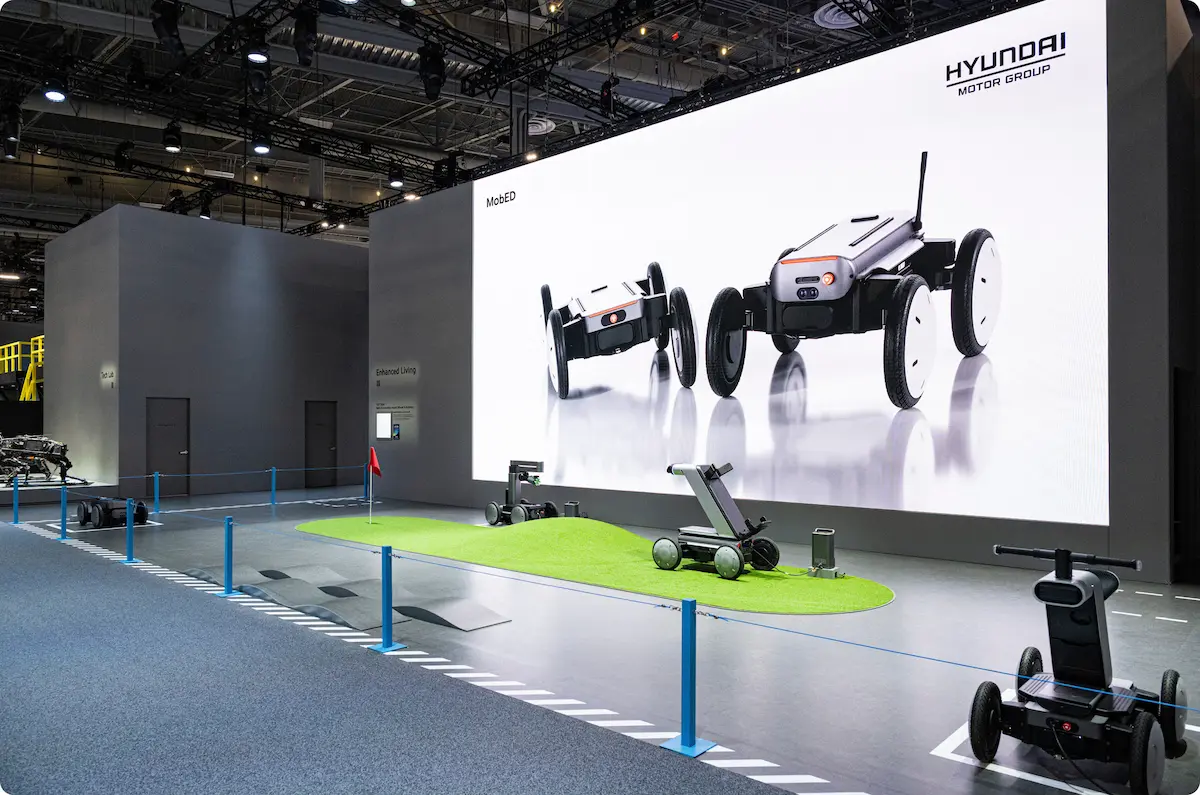
On February 23, according to South Korean media outlet The Chosun Ilbo, Hyundai Motor Group has confirmed plans to invest KRW 10 trillion (approximately USD 7 billion) over the next five years. The investment will be use...
- 23/02/2026 in Technology & Innovation
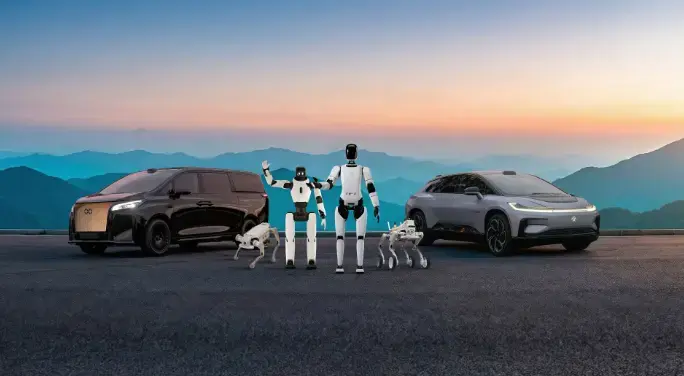
On February 23, Jia Yueting released a video update announcing that Faraday Future will officially begin the first deliveries of its EAI robots next week. The company has completed the necessary pre certification and com...
- 23/02/2026 in Technology & Innovation
On February 23, Ant Group announced that during the Spring Festival holiday, the number of users of Alipay’s “AI Pay” service exceeded 100 Million. At the same time, the user base of the Ant Fortune app also surpassed 10...
- 23/02/2026 in Technology & Innovation